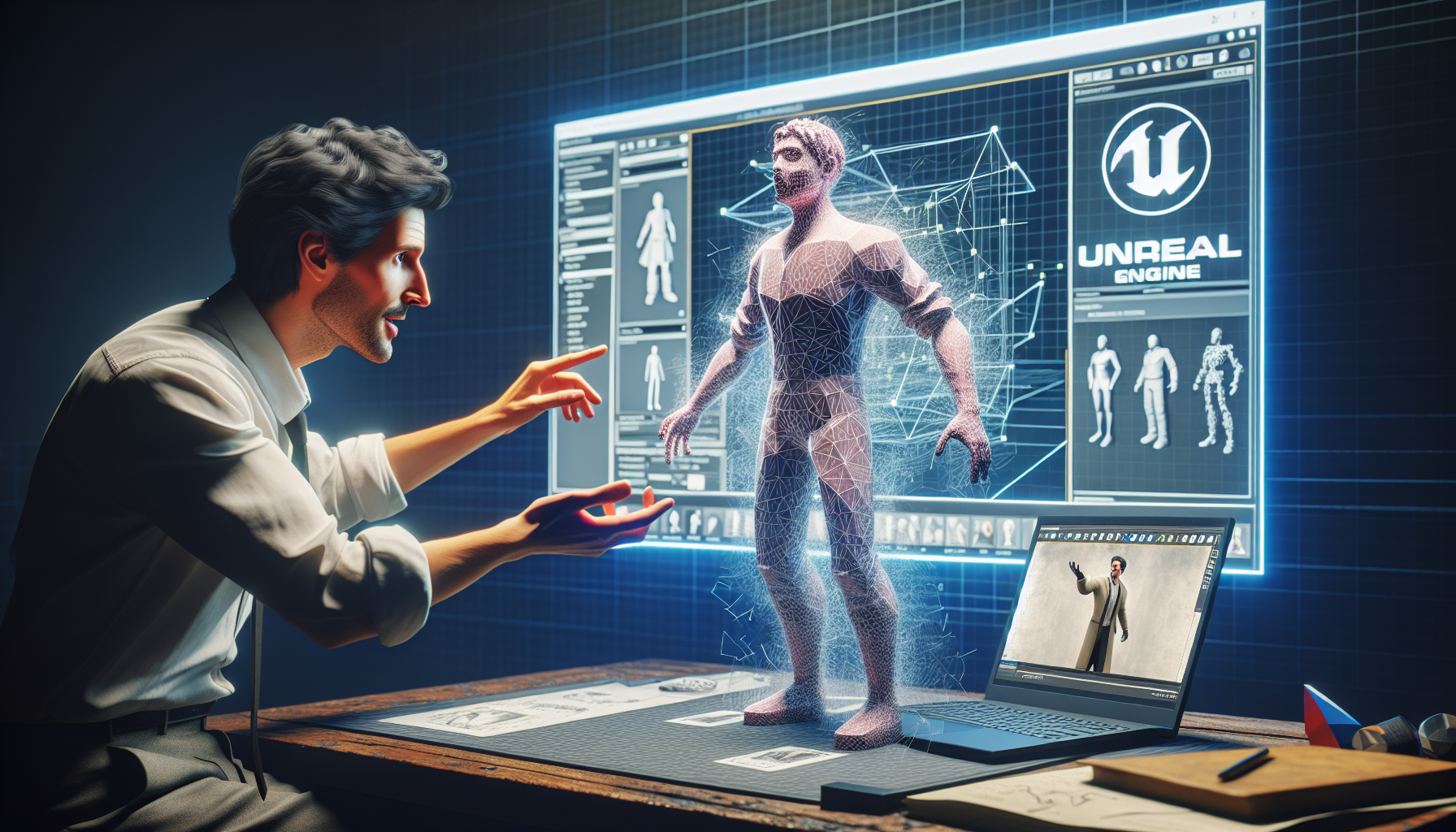
In the world of Unreal Engine, where every frame can be a digital masterpiece, the Cine Camera Actor is a director’s dream. It brings the cinematic toolset of the silver screen into the virtual world, providing precise control over depth of field, focus, and framing just like a real-world camera. When paired with a Target Actor, these cameras can create dynamic, compelling scenes that feel both lifelike and dramatically engaging. Let’s dive into some tips and techniques for using Cine Cameras with a Target Actor effectively, especially how you can manage multiple attributes simultaneously for a streamlined workflow.
Setting the Stage with Cine Camera and Target Actor
When using a Cine Camera in Unreal Engine, tying its focus to a Target Actor can help automate and enhance focus management, making sure your subject is always sharp, even in motion. This setup is ideal for dynamic scenes where the camera and subject are constantly moving, such as in chase sequences or interactive dialogues.
1. Pairing Cine Camera with Target Actor
To start, you need to link your Cine Camera to a Target Actor, which will act as the focal point of your scene:
- Create Your Target: This could be any actor in your scene – a character, a vehicle, or even a moving landscape element.
- Setup the Cine Camera: Drag a Cine Camera into your scene from the Place Actors panel.
- Assign the Target: Select your Cine Camera in the viewport or World Outliner, and in the Details panel, find the Focus Settings. Set the Focus Method to Manual or Tracking depending on your need. Then, bind your Target Actor to the Focus Actor field.
2. Simultaneous Attribute Adjustment
Often, you’ll want to adjust the Cine Camera’s attributes—like focal length or aperture—while also modifying the position or rotation of your Target Actor. Here’s how to manage these attributes simultaneously:
- Split Viewports: Utilize Unreal’s ability to split the viewport into multiple windows (Window > Viewport > New Viewport). This allows you to have one viewport focused on adjusting the Cine Camera settings while another can be used to select and manipulate the Target Actor.
- Lock Viewports to Actors: For a more synchronous workflow, lock one viewport to your Cine Camera and another to your Target Actor. You can do this by selecting the camera or actor, right-clicking the viewport label (top-left corner), and selecting Pilot Actor. This makes the viewport follow the actor, giving you a live preview as you adjust settings.
3. Best Practices for Cine Cameras in Viewport
When working with Cine Cameras and Target Actors directly in the viewport, consider these best practices to maximize efficiency and accuracy:
- Use Real-Time Preview: Ensure that your viewport is set to real-time (click the small clock icon in the viewport toolbar) to see changes as they happen, which is crucial for cinematography work.
- High-Quality Visuals: Toggle on high-quality visual settings like ray tracing or enhanced anti-aliasing if your hardware supports it, to get a more accurate representation of how your final scene will look.
- Keyboard Shortcuts: Memorize and utilize keyboard shortcuts for faster workflow. For instance,
Fto focus the selected object in the viewport, orGto toggle game view mode, hiding all non-gameplay related elements.
4. Animating Camera and Target
For scenes requiring both the camera and the target to move:
- Keyframe Animation: Use Unreal’s Sequencer to keyframe both the Cine Camera and the Target Actor’s movements. This allows for precise control over both elements across the timeline.
- Automate Focus: Utilize the AutoFocus feature within the Cine Camera’s Focus Settings to keep your Target Actor in focus regardless of movement, adjusting depth of field dynamically.
Conclusion: A Director’s Toolkit in Unreal
By mastering the use of Cine Cameras with a Target Actor in Unreal Engine, you not only enhance your scene’s visual storytelling but also streamline your workflow, making it possible to experiment with complex cinematic techniques with ease. Remember, the best scenes are those where technology complements creativity, allowing you to bring your vision to life without technical hindrances. So set your scene, adjust your focus, and let the cameras roll—your next digital masterpiece awaits.