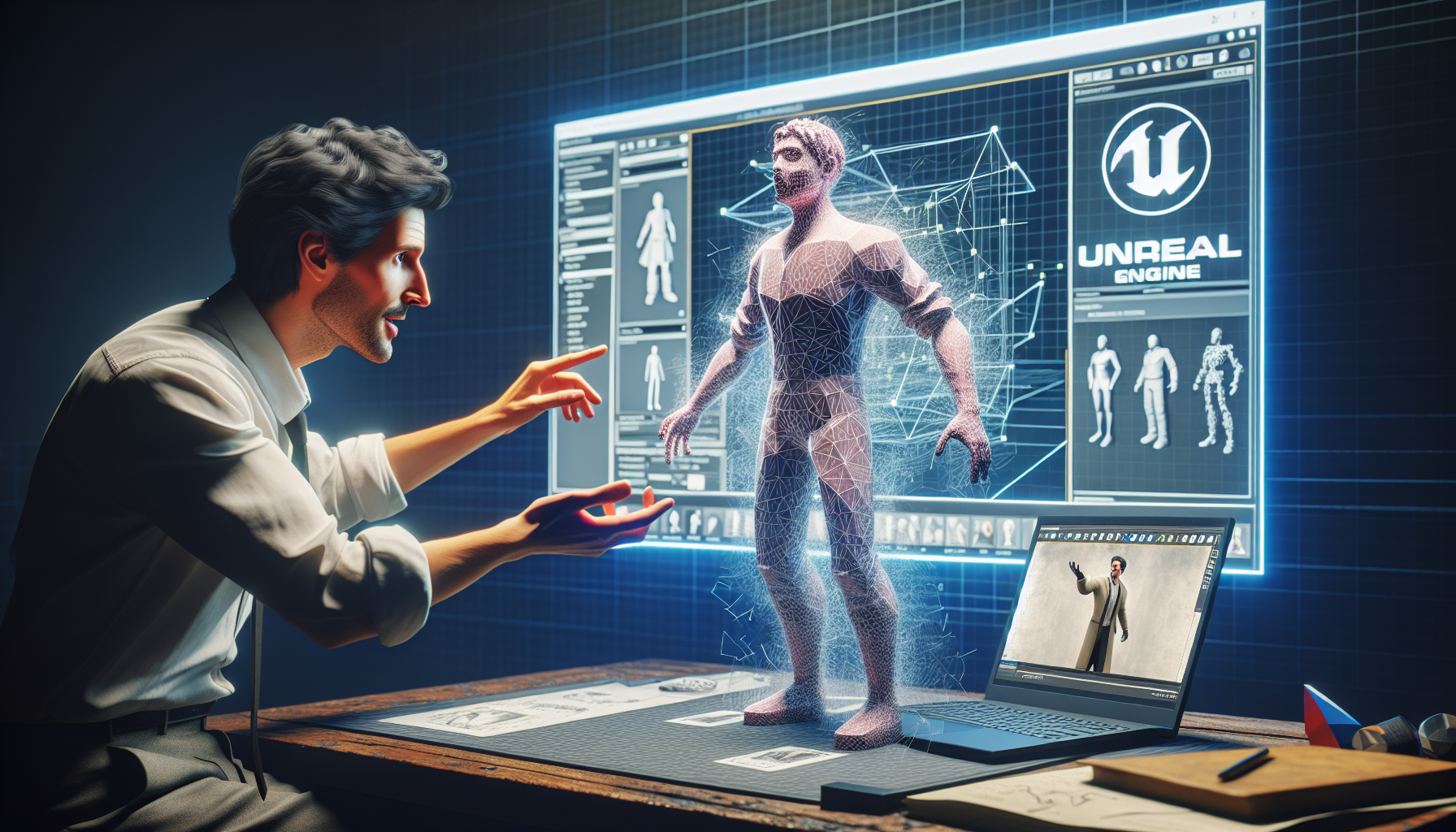
In the landscape of 3D content creation, seamless integration between different software platforms is a highly coveted feature, enabling artists and designers to utilize the best aspects of each tool without sacrificing quality or efficiency. Datasmith, a game-changing toolkit from Epic Games, plays a pivotal role in this integration, particularly between Cinema 4D and Unreal Engine. This blog delves into how Datasmith facilitates this interoperability, what features are preserved during the import process, and the best practices and potential pitfalls to be aware of.
The Power of Datasmith with Cinema 4D
Cinema 4D is renowned for its robust modeling, animation, and rendering capabilities, especially in motion graphics and visual effects. When combined with the real-time rendering power of Unreal Engine, professionals can elevate their projects to new heights. Datasmith serves as the bridge, ensuring that assets move smoothly from Cinema 4D to Unreal Engine with minimal friction.
Key Features and Preservation
- Preservation of Textures and Materials: Datasmith strives to maintain the fidelity of textures and materials created in Cinema 4D when they are imported into Unreal Engine. It translates various material and shader properties to ensure that the visual appearance is consistent, reducing the need for manual tweaking post-import.
- Geometry Accuracy: Complex geometries created in Cinema 4D are accurately imported with their original integrity, including parametric and polygonal objects, ensuring precise representations in Unreal Engine.
- Camera and Light Settings: Datasmith preserves camera views and settings along with basic light types. This feature is crucial for maintaining the artistic intent and cinematic aspects of scenes initially designed in Cinema 4D.
- Animations and Keyframes: While basic animations and keyframes can be transferred via Datasmith, complex character animations may require additional adjustments to ensure seamless playback in Unreal Engine.
Best Practices for Using Datasmith with Cinema 4D
- Optimize Models Before Export: To ensure smooth performance in Unreal Engine, it’s advisable to optimize your models in Cinema 4D. This includes reducing polygon count where possible and simplifying textures without compromising on quality.
- Organize Your Assets: Keep your Cinema 4D scene well-organized. Proper naming conventions, grouping similar objects, and cleaning up unnecessary tags or objects will streamline the import process into Unreal Engine.
- Use Supported Features and Formats: Stick to features and file formats that are well-supported by Datasmith to avoid import errors or missing data. Review the latest documentation regularly as updates may enhance compatibility and introduce new features.
Caveats and Considerations
- Material Compatibility: While Datasmith does an excellent job translating most materials, some proprietary Cinema 4D shaders or complex node-based materials might not translate directly and could require reworking within Unreal Engine using its material editor.
- Performance Overheads: High-poly models or scenes with extensive textures might impact performance within Unreal Engine. Optimal asset management and level of detail adjustments are crucial for maintaining performance.
- Dynamic Effects: Certain dynamic effects native to Cinema 4D, like cloth simulations or MoGraph cloners, might not be directly supported and could require alternative solutions in Unreal Engine.
Can You Roundtrip Between Cinema 4D and Unreal Engine?
While Datasmith excels at importing assets from Cinema 4D to Unreal Engine, the workflow is primarily one-directional. Currently, there isn’t a native roundtrip workflow that allows changes made in Unreal Engine to be sent back to Cinema 4D seamlessly. Most updates or iterative changes need to be performed within the originating software, i.e., Cinema 4D, and then re-imported into Unreal Engine if necessary.
Conclusion: Expanding Creative Horizons
The integration of Cinema 4D with Unreal Engine through Datasmith dramatically broadens the creative possibilities for professionals across various industries, from architectural visualization to game design and beyond. By following best practices and understanding the limitations, users can effectively harness the strengths of both platforms, ensuring a workflow that is both efficient and capable of producing stunning visual results.
As technology evolves, we can anticipate even greater interoperability, further enhancing these exciting collaborative potentials.